Your Duct Cleaning Appointment, Step by Step
What generally happens during a professional air duct cleaning, from getting a quote to the final check, and how to get your home ready for the visit.
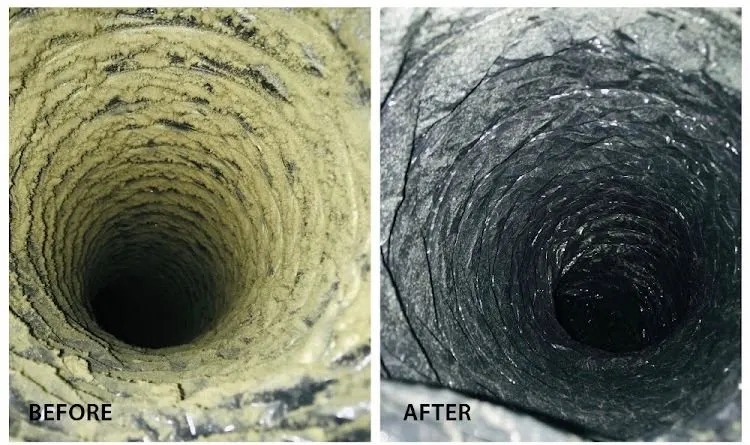
If you have never had your ducts cleaned, it is reasonable to wonder what you are signing up for. Will there be dust everywhere? Do you need to be home? How long will the system be off?
This post walks through how a professional duct cleaning generally works, based on the source-removal method described by the EPA and NADCA, the industry trade group. Details vary from company to company and home to home, so think of this as a guide to what to expect and what to ask, not a fixed script.
Before the visit: getting a quote
A clear quote starts with a few basics:
- How many vents you have. Count every supply register and every return grille. Pure Green Air Duct Cleaning Arvada prices basic air duct cleaning at $199 for up to 10 vents, plus $29 for each additional vent, so the count matters.
- How many systems. Some larger homes have two furnaces or air handlers.
- What you are concerned about. Dust blowing from vents, a recent remodel, pets, a problem room or a dryer that takes too long.
- The dryer vent. If you want it cleaned too, roughly how long is the run? Dryer vent cleaning is $99 for up to 10 feet, plus $15 for each additional foot.
If only a few rooms are the issue, ask about deep duct cleaning, which is $59.99 per vent and focuses on specific runs.
Getting your home ready
A little preparation makes the visit easier:
- Clear a path to the furnace or air handler and the main return.
- Move furniture, rugs and boxes away from registers and returns.
- Put pets in a closed room or crate away from the work area.
- Note any rooms where vents seem dusty, weak or noisy.
- Let the technician know about anything fragile near vents.
On the day of the cleaning
Every company runs its visits a little differently, but a source-removal cleaning usually moves through four stages.
Step 1: Looking at the system
A cleaning generally starts with a look at the system. That means finding the air handler, the filter, the returns and the supply registers, and often removing a few registers to look inside. This is also when problems that need another professional may show up, like disconnected ducts, signs of water or pests, or old insulation wrap that should be tested before anyone disturbs it.
Step 2: Protecting the house and the system
Before cleaning starts, the work area is usually protected. Registers that are not being worked on may be covered so dust does not blow out of them, and floors near the work may be covered too.
The key piece of equipment in source removal is a powerful vacuum, often a truck-mounted or portable unit with HEPA filtration. It is connected to the duct system so that the ducts are under negative pressure. That means air, and the debris in it, is pulled toward the vacuum instead of out into your rooms.
Step 3: Loosening the debris
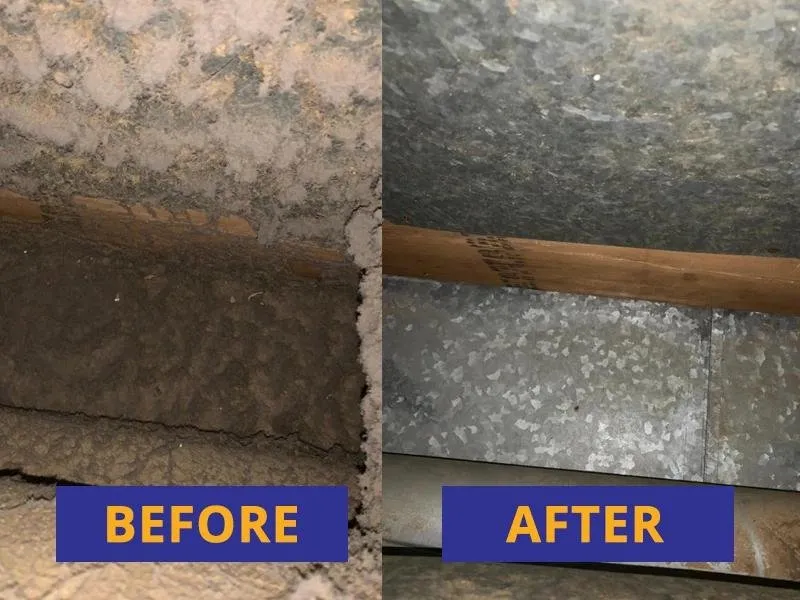
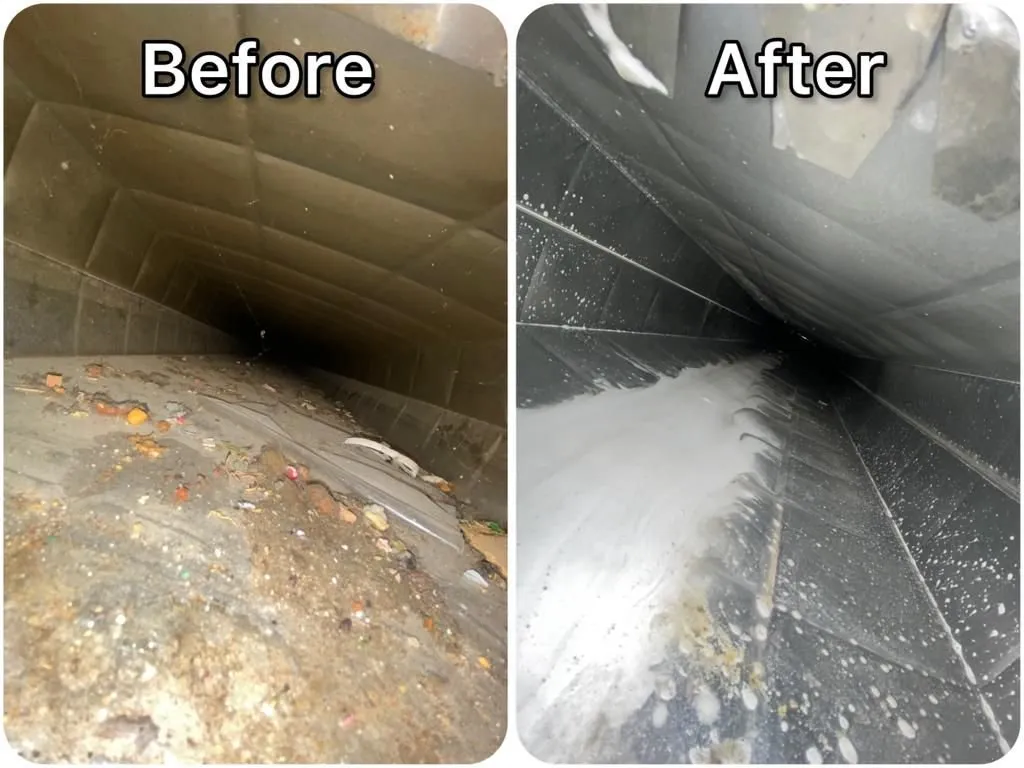
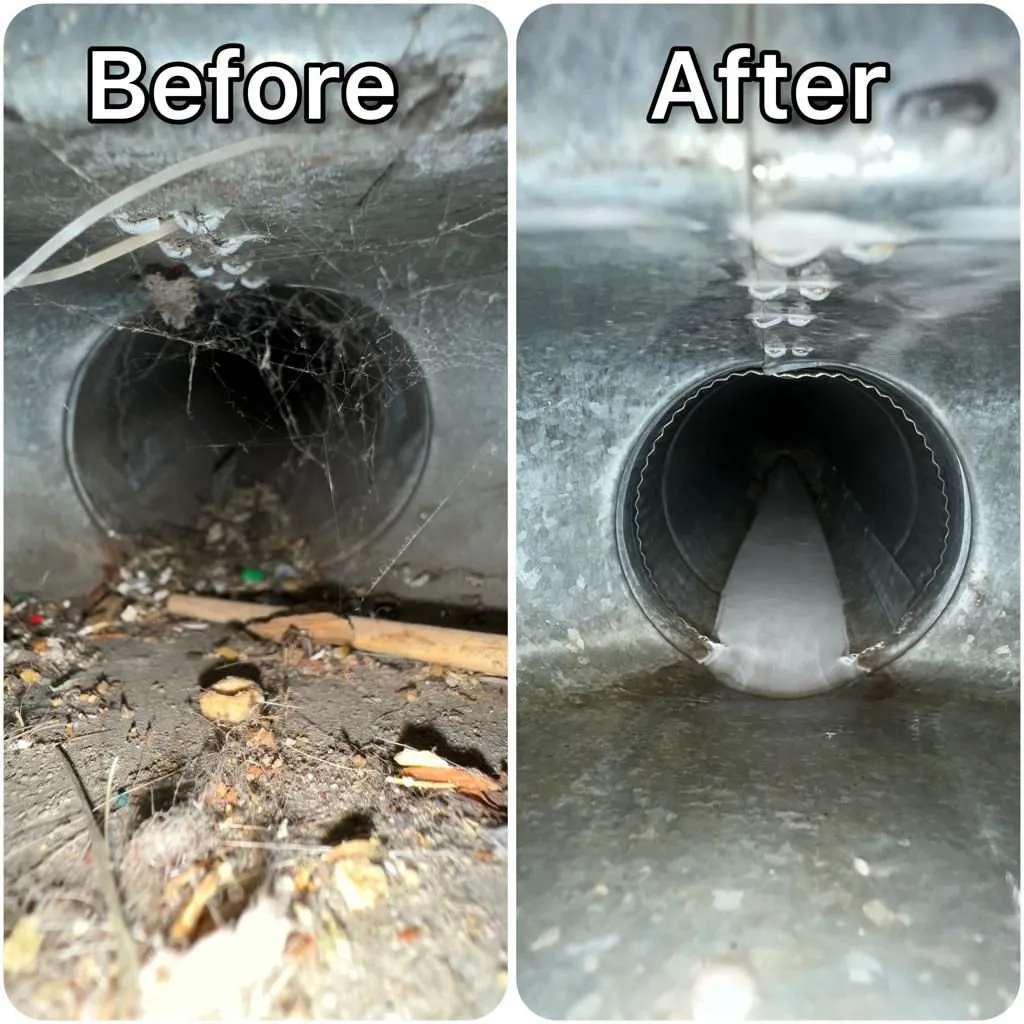
With the vacuum running, the technician works through the ducts with tools that knock debris loose from the duct walls. The EPA and NADCA describe several methods, including rotating brushes, air whips and compressed-air skipper balls. The tool depends on the duct material, its size and how much buildup there is.
Supply runs and return runs both get attention. Returns often hold the most dust because they pull air straight from the living space.
Step 4: Registers, grilles and the finish
Register covers and return grilles are usually cleaned separately, then reinstalled. The filter is a good thing to replace at the end of the visit, so the clean system is not pulling air through a dirty filter. Ask whether that is included, or have a new one ready yourself.
Before the technician leaves, it is fair to ask to see a few of the cleaned ducts. A flashlight look into a register is a simple way to confirm the work.
What a cleaning does not include
Duct cleaning is not HVAC repair. Coils, drain pans, the blower motor and the furnace itself are typically inspected and serviced by an HVAC contractor. If the cleaning reveals mold, the moisture problem needs to be fixed first, and a mold professional should handle it. Pure Green Air Duct Cleaning Arvada does not offer mold remediation, sanitizing, fogging or chemical coatings.
The EPA also advises caution about chemical biocides and sealants applied inside ducts, and suggests asking a lot of questions before agreeing to any. You will not get that upsell from us.
Questions worth asking any company
- What method do you use, and do you clean both supply and return ducts?
- Is the vacuum equipment HEPA-filtered or vented outside?
- How do you protect my floors and rooms?
- What exactly is included in the price, and what would cost extra?
If you are ready to schedule or just want a clear number for your home in Arvada, CO, request an estimate.